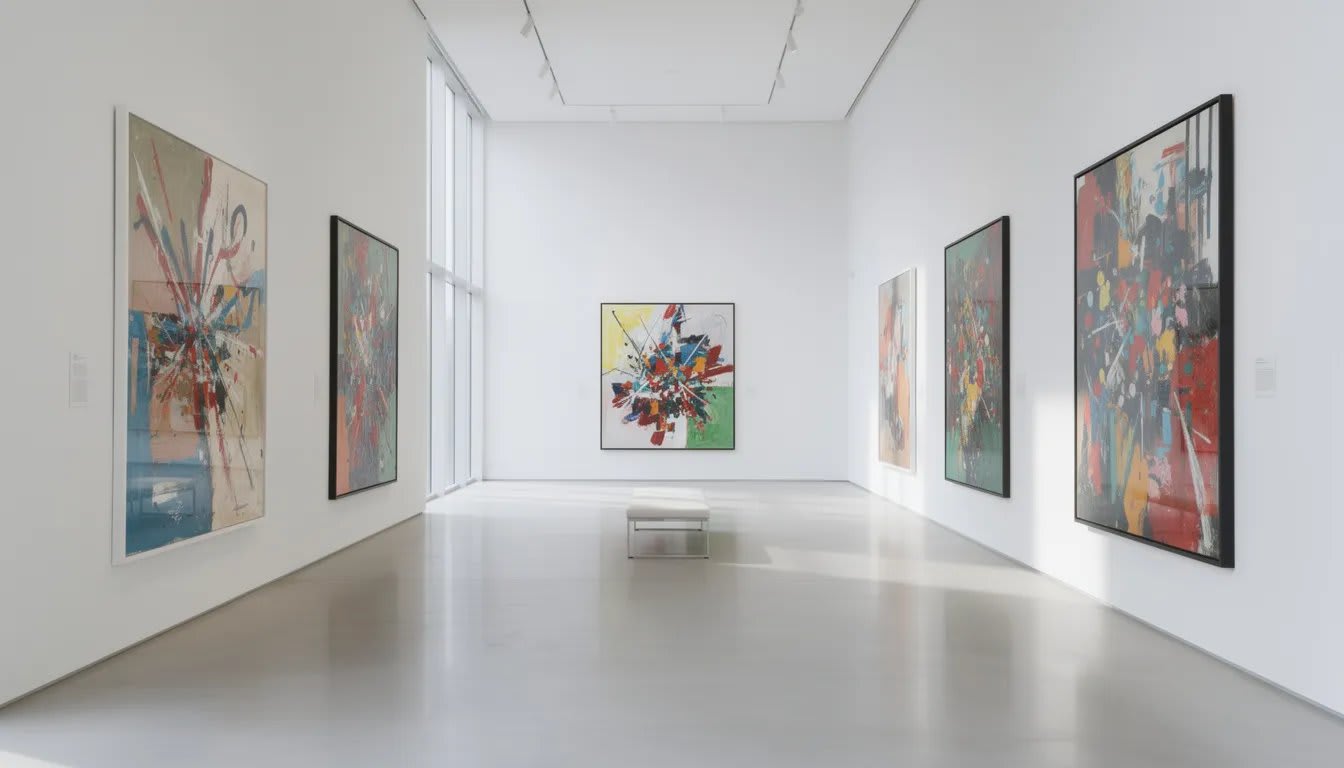
As the art market continues to evolve, the allure of emerging artists becomes increasingly significant, offering not only aesthetic value but also a meaningful cultural investment.
Why Buying an Artwork by an Emerging Artist in 2026 Is a Cultural (and Sometimes Financial) Investment
In recent years, the art market has witnessed an escalating fascination with emerging artists. Collectors, galleries, and institutions are paying closer attention to new creative voices that resonate with the spirit, challenges, and aesthetics of our time. In 2026, the act of acquiring artwork by an emerging artist transcends mere personal desire; it has evolved into a meaningful cultural commitment and, in certain instances, a potential long-term financial investment.
Introduction
Unlike the celebrated figures whose works command exorbitant prices, emerging artists present patrons with an opportunity to engage with contemporary creation at an early stage. But what exactly does “emerging artist” entail, and why has this segment of the market gained such profound allure?
What Is an Emerging Artist?
An emerging artist is typically defined as someone who is at the nascent stages or in the early evolutionary phases of their professional career. Significantly, this does not necessarily imply youth; rather, it suggests that they are in the pursuit of gaining recognition through exhibitions, gallery representation, residencies, or critical acclaim.
Typical characteristics of emerging artists encompass:
- A coherent and developing body of work
- Participation in group or solo exhibitions
- Representation by small or mid-sized galleries
- Enhanced visibility in press, digital platforms, or curated events
They remain outside the fully established sphere of the secondary market (auction houses), which keeps their prices accessible compared to their globally recognized counterparts.
Why Buy an Artwork by an Emerging Artist?
Acquiring pieces from burgeoning talents comes with various advantages:
1. More Accessible Prices
One of the foremost reasons collectors gravitate toward emerging artists is the affordability of their works. While established artists may demand tens or hundreds of thousands of euros, emerging artists frequently price their pieces within reach, allowing novice collectors to begin building a collection without excessive financial commitments.
This accessibility enables buyers to:
- Acquire original works rather than limited reproductions
- Support living artists directly
- Cultivate a collection rooted in personal taste rather than solely financial capability
2. A Direct Connection with Contemporary Creation
Purchasing an artwork by an emerging artist empowers collectors to engage with the immediacy of the current moment. These artists often reflect pressing social, cultural, and political themes, infusing their work with contemporary realities: identity, technology, climate change, urbanity, and emotional experiences.
Those drawn to these talents often develop a profound emotional and intellectual connection to the artwork as:
- They can witness the artist’s evolution over time
- They observe the development of unique artistic languages
- They partake in a vivid artistic journey rather than merely acquiring a static historical artifact
3. Supporting the Artistic Ecosystem
Investing in works from emerging artists constitutes an ethical and culturally enriching gesture that contributes to:
- The artist’s sustenance for continued creation
- The viability of independent galleries
- The rejuvenation of the contemporary art scene
Collectors play an integral role in nurturing artistic careers, providing artists with the resources necessary for materials, studio space, and exhibitions. In this respect, collecting transcends simple ownership; it becomes an active participation in cultural production.
Cultural Investment Before Financial Investment
Before contemplating any financial potentials, the act of buying art remains fundamentally a cultural endeavor. A piece of artwork imbues a space with meaning, emotion, and aesthetic value, often sparking dialogue and enriching everyday experiences.
A cultural investment embodies:
- Living with works that resonate personally
- Building a collection reflective of individual identity
- Preserving and transmitting artistic expression
Many seasoned collectors emphasize that emotional and intellectual attraction should always guide the selection process. If a work fails to speak to the buyer, its financial appreciation becomes a secondary concern.
Can Art by Emerging Artists Be a Financial Investment?
While the financial prospects of artworks are inherently uncertain, numerous emerging artists may see significant increases in value over time. Such appreciation is typically contingent on several factors:
- Institutional recognition (museums, foundations)
- Gallery representation and participation in international exhibitions
- Critical reception and media visibility
- Consistency and originality of the artistic practice
It is essential to recognize that the art market is unpredictable. The value of artworks can fluctuate, either soaring, stagnating, or declining depending on market trends, individual career trajectories, and overarching economic conditions.
For this reason, acquisitions of emerging artists should be understood as:
- A long-term and uncertain commitment
- Influenced by qualitative rather than quantitative factors
- Heavily tied to the artist’s professional growth
Responsible collecting avoids promises of profit and focuses instead on cultural significance and artistic quality.
How to Choose an Emerging Artist?
Selecting an emerging artist is a thoughtful process demanding attention and research. Several criteria can effectively guide collectors:
1. Coherence of the Artistic Work
Seek artists whose visual language and conceptual direction exhibits consistency. While experimentation is crucial, their portfolio must demonstrate intention and depth.
2. Professional Environment
An active participation in exhibitions, gallery representation, and curated projects signals that the artist garners recognition amongst professionals in the field.
3. Authenticity and Documentation
Each artwork should come with:
- A certificate of authenticity
- Clear information about the technique and edition
- Provenance documentation (from a gallery, artist studio, or trusted platform)
4. Personal Sensitivity
Ultimately, the decision should be guided by personal reaction. An artwork that evokes curiosity, emotion, or contemplation has enduring value that transcends market fluctuations.
Common Mistakes to Avoid
New collectors often fall into familiar pitfalls upon entering the emerging art market:
- Buying purely for speculative purposes without comprehending the artwork
- Neglecting to verify authenticity and proper documentation
- Chasing fleeting trends without genuine personal engagement
- Disregarding the influential role of galleries and curators
Art collecting demands patience, education, and openness. An attentive and informed approach lays the groundwork for building a meaningful and cohesive collection.
Conclusion
Acquiring artwork by an emerging artist in 2026 transcends a mere transaction; it signifies an engagement with contemporary creativity and a commitment to supporting living artists. While the prospect of financial appreciation exists, it should never overshadow the intrinsic relational value between the collector and the artwork, rooted in the joy of experiencing it, the narratives it conveys, and its role in shaping artistic trajectories.
In this respect, collecting emerging artists not only signifies a personal journey but also contributes significantly to the dynamic evolution of art history. It stands as a cultural investment foremost, while occasionally presenting an avenue for financial return.
Thank you for being part of the LLB Auction community.
The LLB Auction Team