Discover how art has challenged societal norms throughout history, provoking debate, censorship, and fresh perspectives on morality and freedom of expression.
Art and Censorship: The Works That Shook Society
Art and Censorship: These works have caused scandals and shaken society.
Art has not always flourished in unrestrained freedom of expression. At times, it serves to celebrate beauty, while at others, it courageously provokes, denounces, or explores sensitive issues. It is precisely during these moments of provocation that controversy arises: certain works challenge the boundaries considered acceptable at their time, evolving into significant public affairs, igniting criticism, petitions, media outrage, removal from exhibitions, or even censorship.
Thus, a pervasive question arises: what justifies the censorship of a work of art? Is it a legitimate form of protection or an obstacle to artistic freedom? Through several well-known examples, we see how artistic scandals often unveil the taboos, tensions, and prevailing values of specific epochs.
When Art Challenges Morality: Nudity, Sexuality, and Collective Discomfort
Some artistic scandals stem from the mere representation of the human body. Nudity and sexuality may appear commonplace today, yet historically, they have been regarded as indecent, dangerous, or immoral.
- “Le déjeuner sur l’herbe”, Edouard MANET (1863)
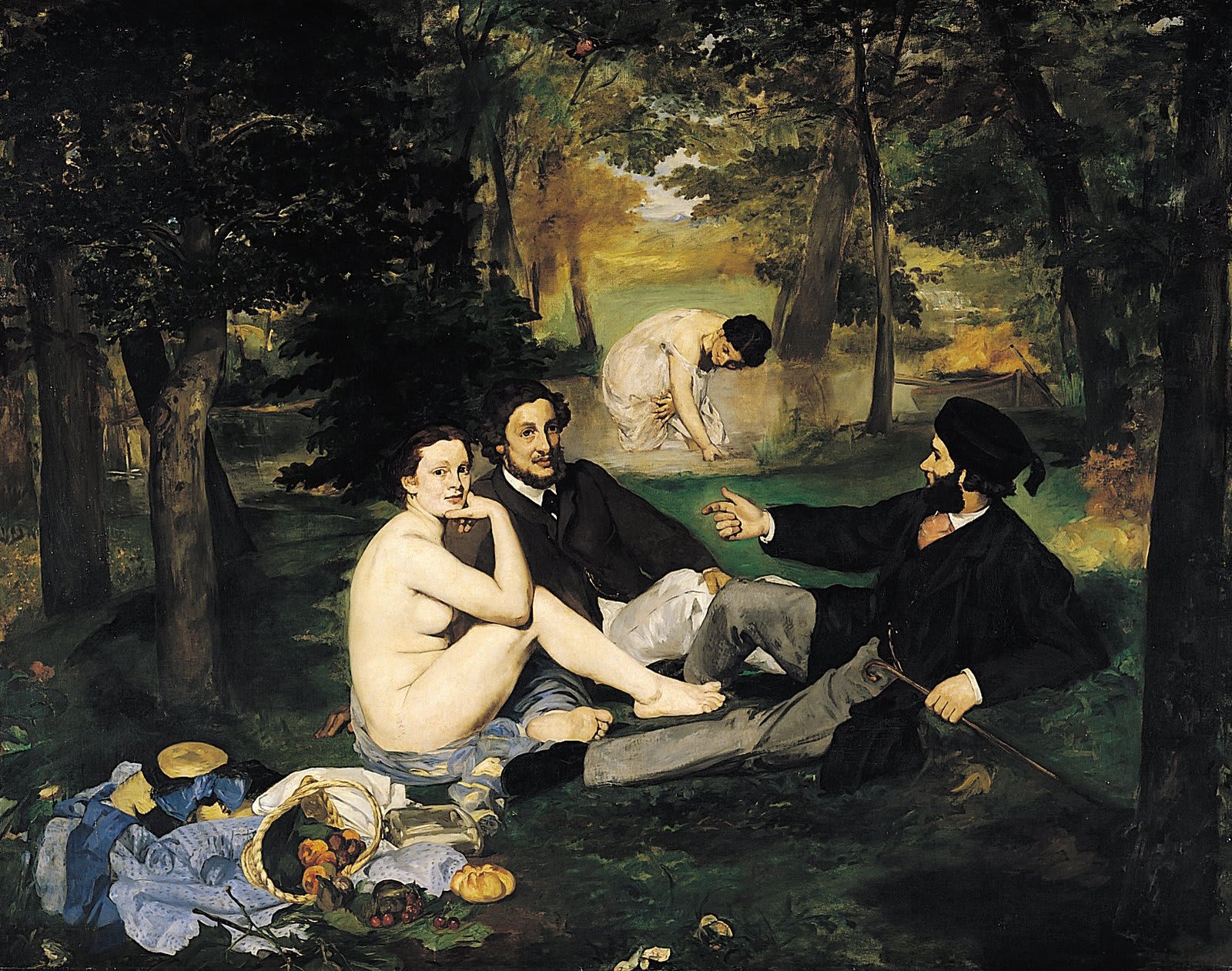
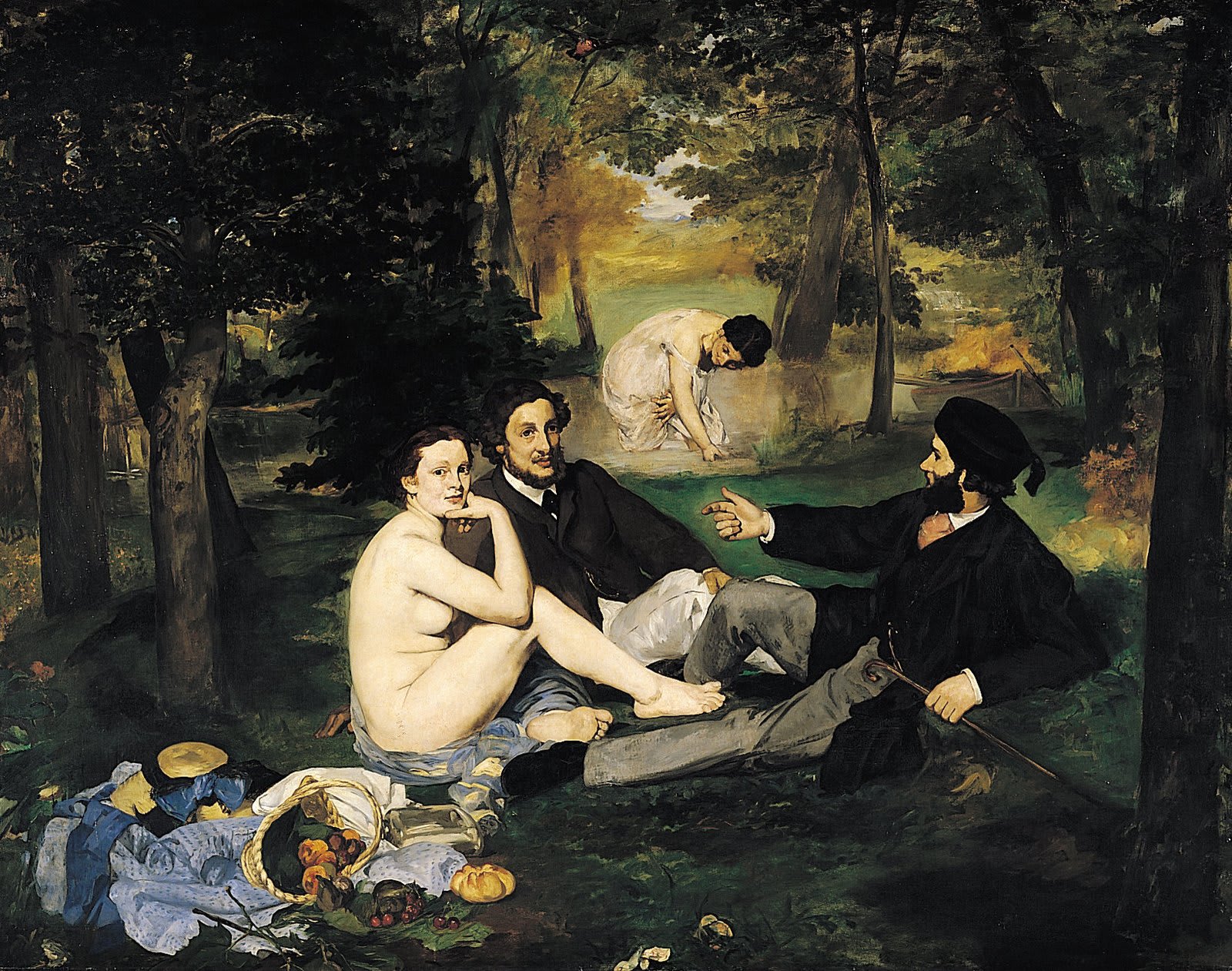
One of the most iconic scandals of the 19th century remains Luncheon on the Grass. In this painting, Manet depicts a nude woman seated beside two fully dressed men in a scene that evokes a casual outdoor picnic. The outrage derived not solely from the nudity but from its modernity, which starkly diverged from the mythological justifications traditionally employed to validate such representations. The work was met with harsh criticism and swiftly became a symbol of the rupture with academic art.
- “Olympia”, Edouard MANET (1863)
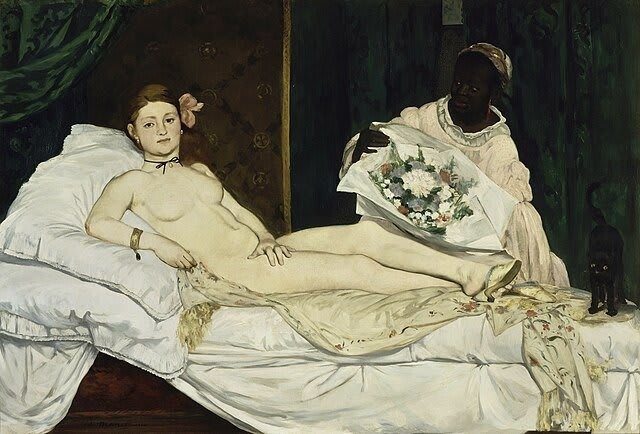
In the same year, Manet unveiled Olympia, which incited a new wave of reactions. This painting portrays a nude woman reclining and confidently gazing at the viewer, a bold confrontation that was perceived as a transgression. The female figure eschews idealization, portrayed instead with authentic awareness of her nudity. Accused of indecency and provocation, the work crystallized tensions between public morality and artistic modernity.
- “Thérèse rêvant”, Balthus (1938)
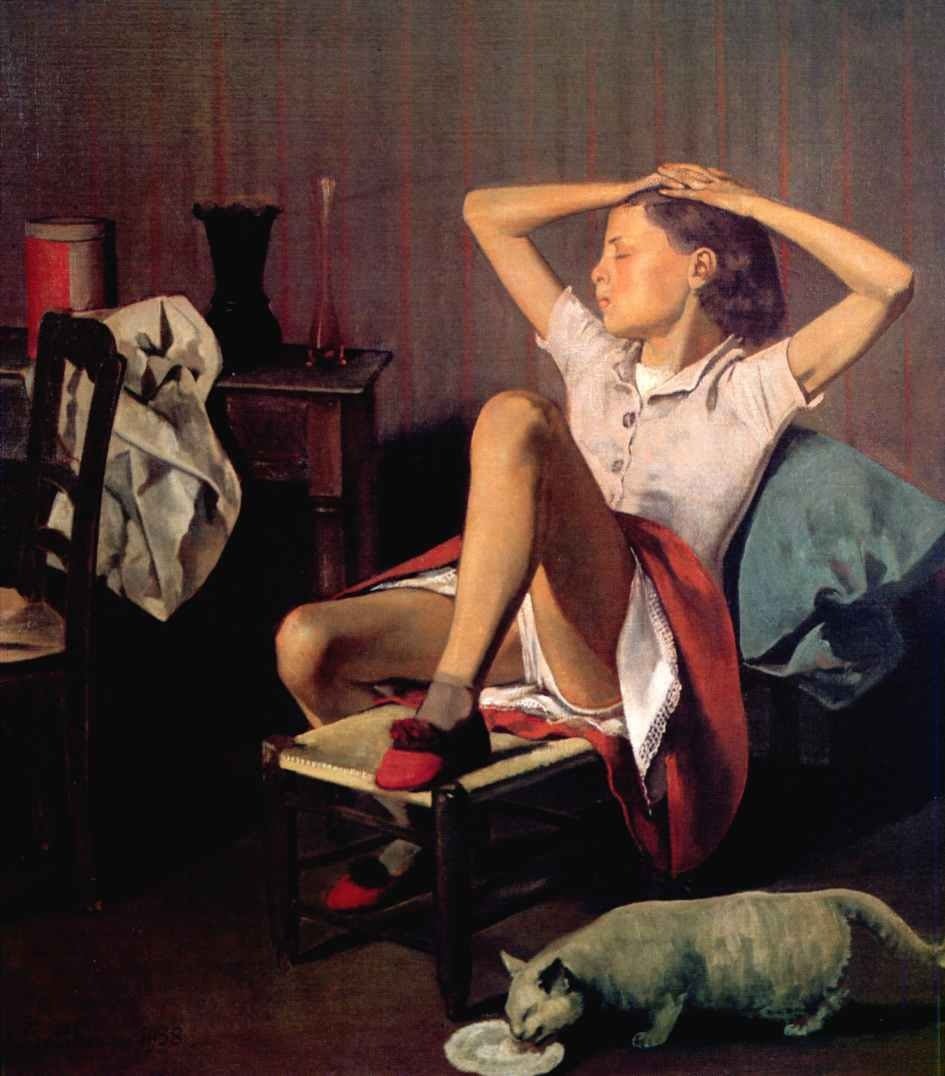
Entering the 20th century, Thérèse Dreaming by Balthus ignited debates within contemporary discussions surrounding childhood representation. The painting features a young girl in an ambiguously suggestive pose. A petition in 2017 called for its removal, accusing it of implying troubling sexualization. This controversy reflects evolving sensitivities: the concerns now extend beyond nudity to encompass the social gaze, its reception, and the implications it carries.
- “La Maja Nue”, Francisco de Goya (1795-1800)
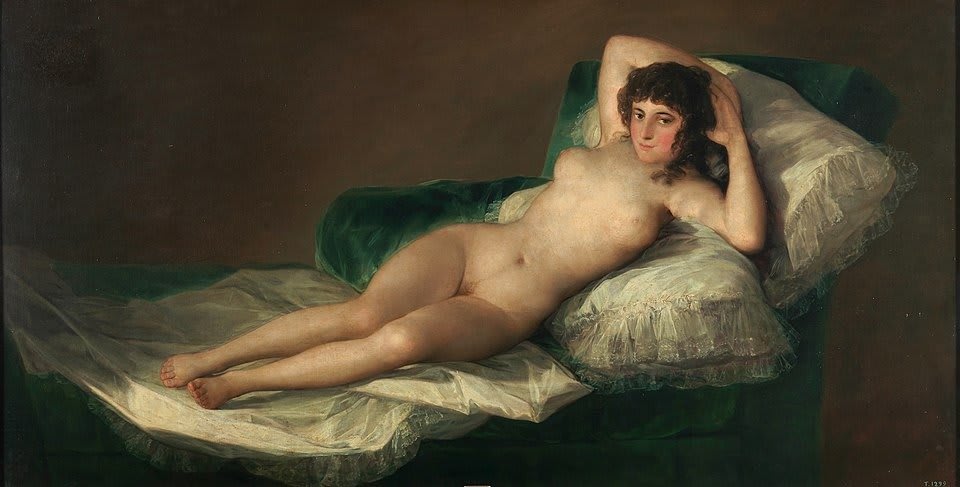
Painted at the close of the 18th century, The Nude Maja remains one of the most infamous works ever contested for its nudity. Its uniqueness arises from its portrayal of a real woman, devoid of idealization or mythical context. In Spain, this work was considered immoral, attracting the Inquisition's attention. Subsequently hidden within private collections, its absence from public spaces lasted for an extended period, illustrating how nudity, when decoupled from traditional artistic conventions, invites rejection.
When Art Offends Religion: Blasphemy, Sacred Symbols, and Outrage
A highly sensitive subject, religion has often been the fulcrum of major artistic controversies. The instant a work engages with sacred symbols or represents religious figures in unconventional manners, it risks being perceived as disrespectful or blasphemous. The repercussions can be severe: public outcry leading to censorship or fierce opposition.
- “Piss Christ”, Andres Serrano (1987)
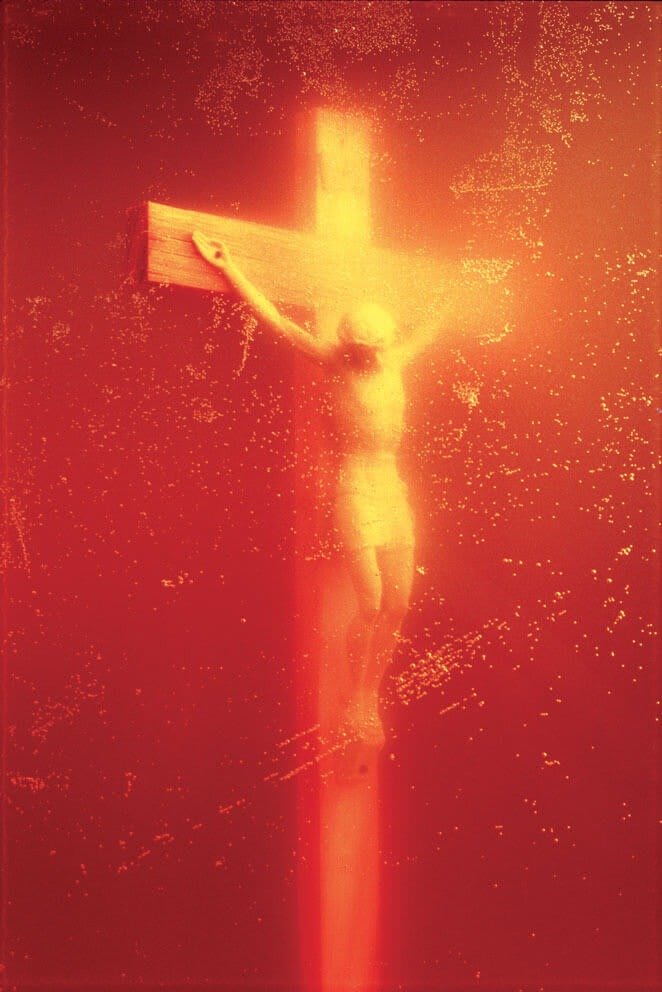
The controversial photograph Piss Christ, depicting a crucifix submerged in yellow liquid identified as urine, incited international backlash. Many viewers interpreted this provocative image as an affront to Christ, prompting fervent calls for its removal from exhibitions. Serrano transformed into a symbol of the friction between artistic liberty and respect for religious beliefs.
- “La Nona Ora”, Maurizio Cattelan (1999)
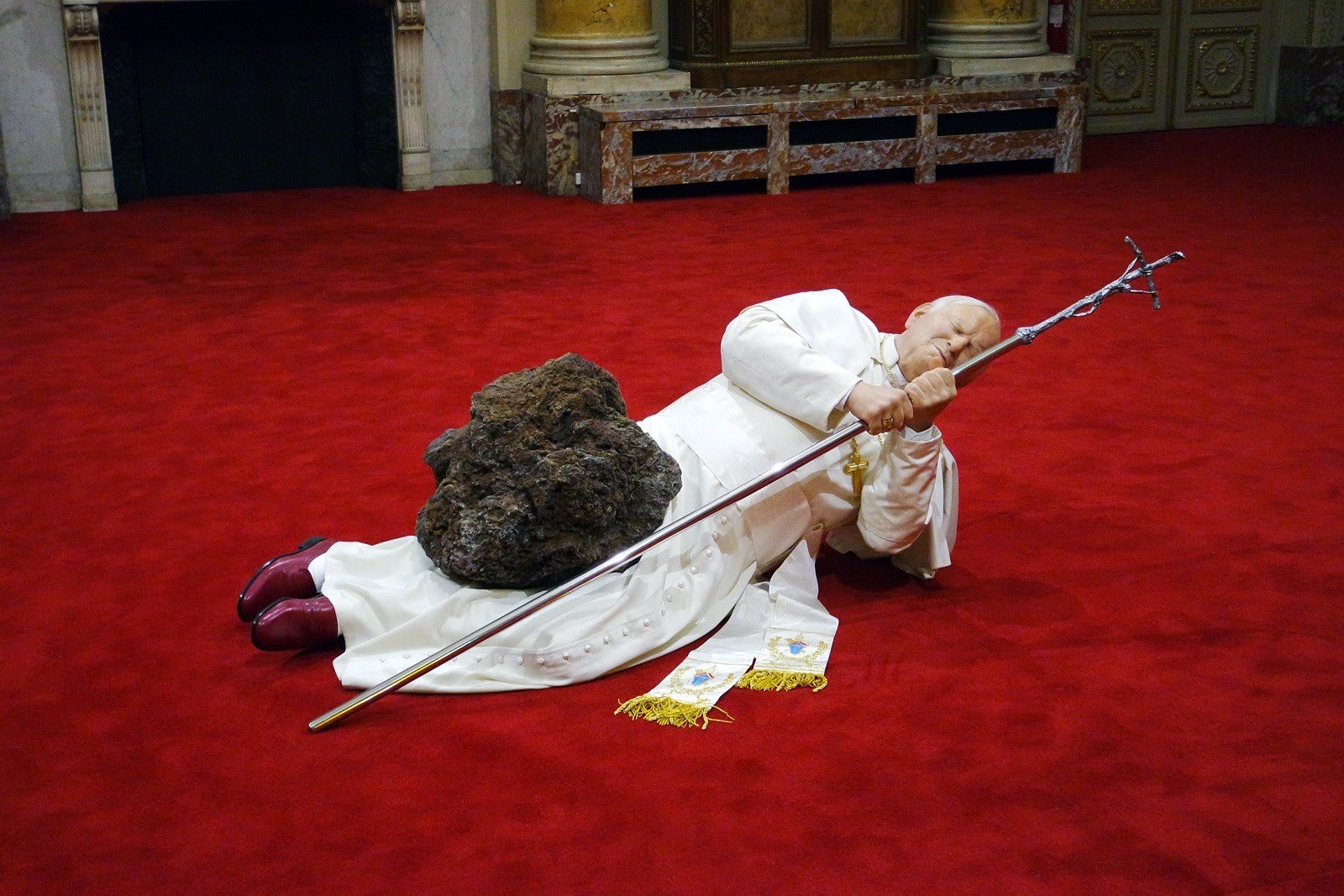
With La Nona Ora, Maurizio Cattelan controversially depicts Pope John Paul II lying on the ground, as if struck by a meteorite. This sculpture sparked outrage particularly in Poland, a nation closely associated with the pontiff. The work was perceived as deliberately provocative and deeply disrespectful, stirring extensive debate regarding religious representation in contemporary art.
- “Pieta”, Paul Fryer (2007)
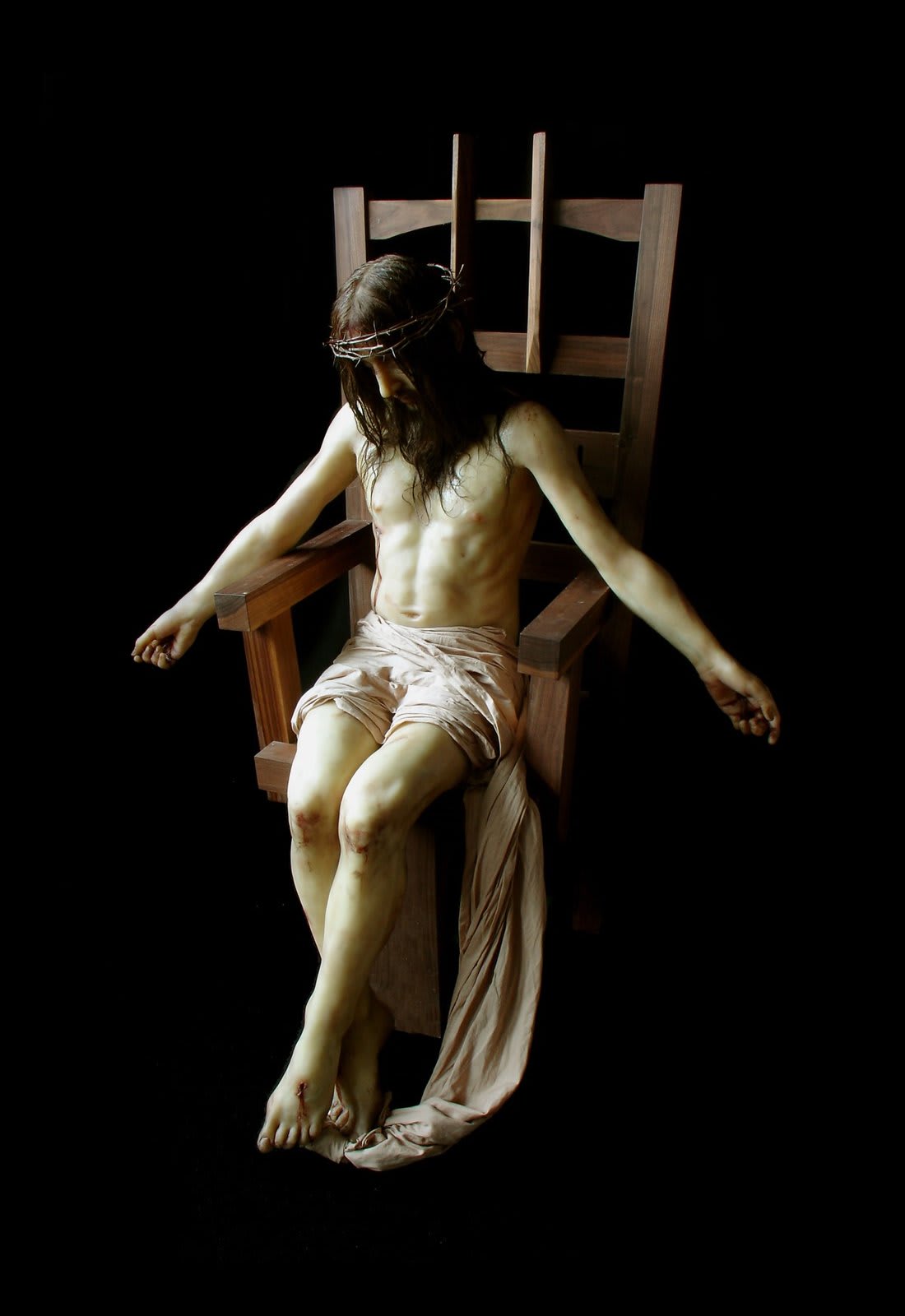
In a radical reinterpretation, Paul Fryer presents Christ positioned on an electric chair, invoking disquiet in viewers through this unsettling juxtaposition of sacredness and modern means of execution. Interestingly, this piece received surprising approval in 2009 when exhibited inside a cathedral in France, where a bishop embraced it as a means to provoke thought on contemporary violence. This instance illustrates that artistic controversies can also engender reflective discussions rather than outright prohibition.
When Scandal Becomes a Way to Be Heard: Provocation, Rejection, and Media Exposure
Contemporary art often divides audiences not solely due to its content but also because of the context of its exhibition. When art appears in public spaces or highly frequented locations, it becomes difficult to avoid, intensifying public reactions. Cultural institutions, aiming to sidestep controversy, may choose to reject a work for reasons not strictly artistic. Paradoxically, such refusals frequently amplify the artwork's visibility.
- “Domestikator”, Atelier Van Lieshout (2016)

This monumental sculpture presents sexual imagery blatantly. Designed for a prestigious setting, it faced rejection due to an anticipated negative public response. This decision sparked debate surrounding the role of provocation in public spaces and the cultural institutions' responsibilities when encountering challenging works.
- “Hylas et les Nymphes”, John William Waterhouse (1896)
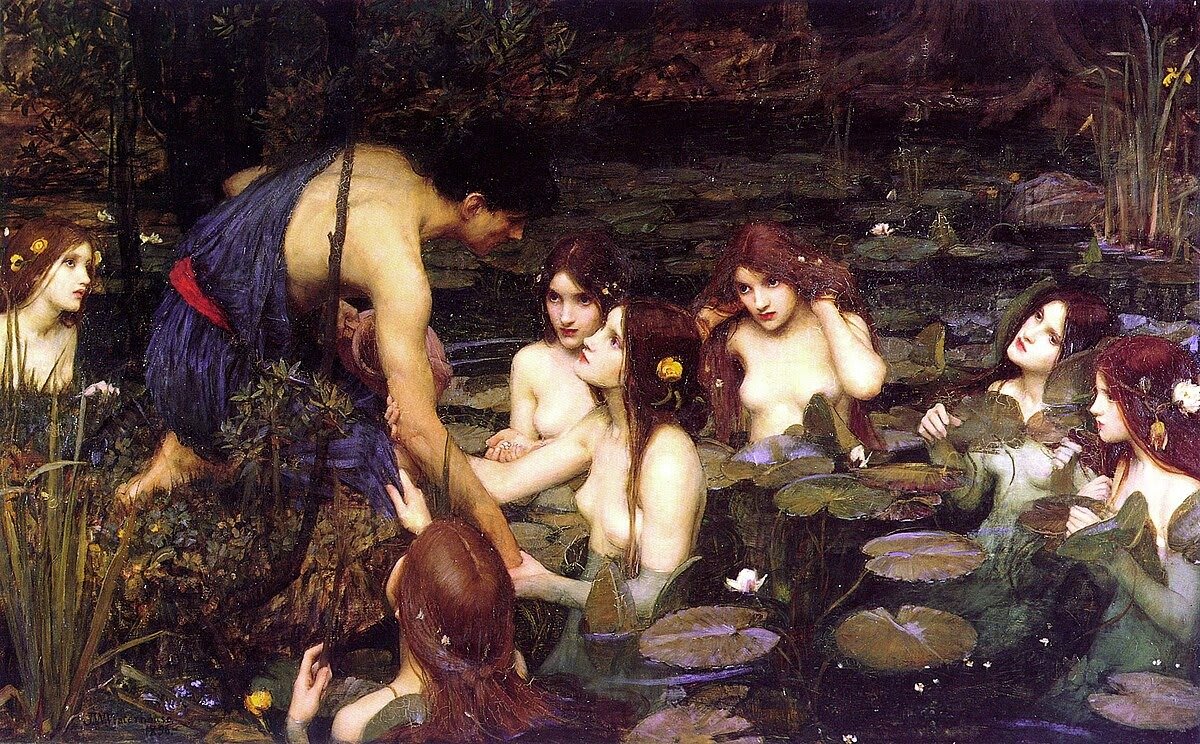
In 2018, Hylas and the Nymphs was temporarily withdrawn from a Manchester museum's display. Triggered by the rising awareness from the #MeToo movement, this action sought to address the problematic portrayal of women within art. This controversial decision reignited discussions about the thin line between cultural critique and censorship.
- “Comedian”, Maurizio Cattelan (2019)
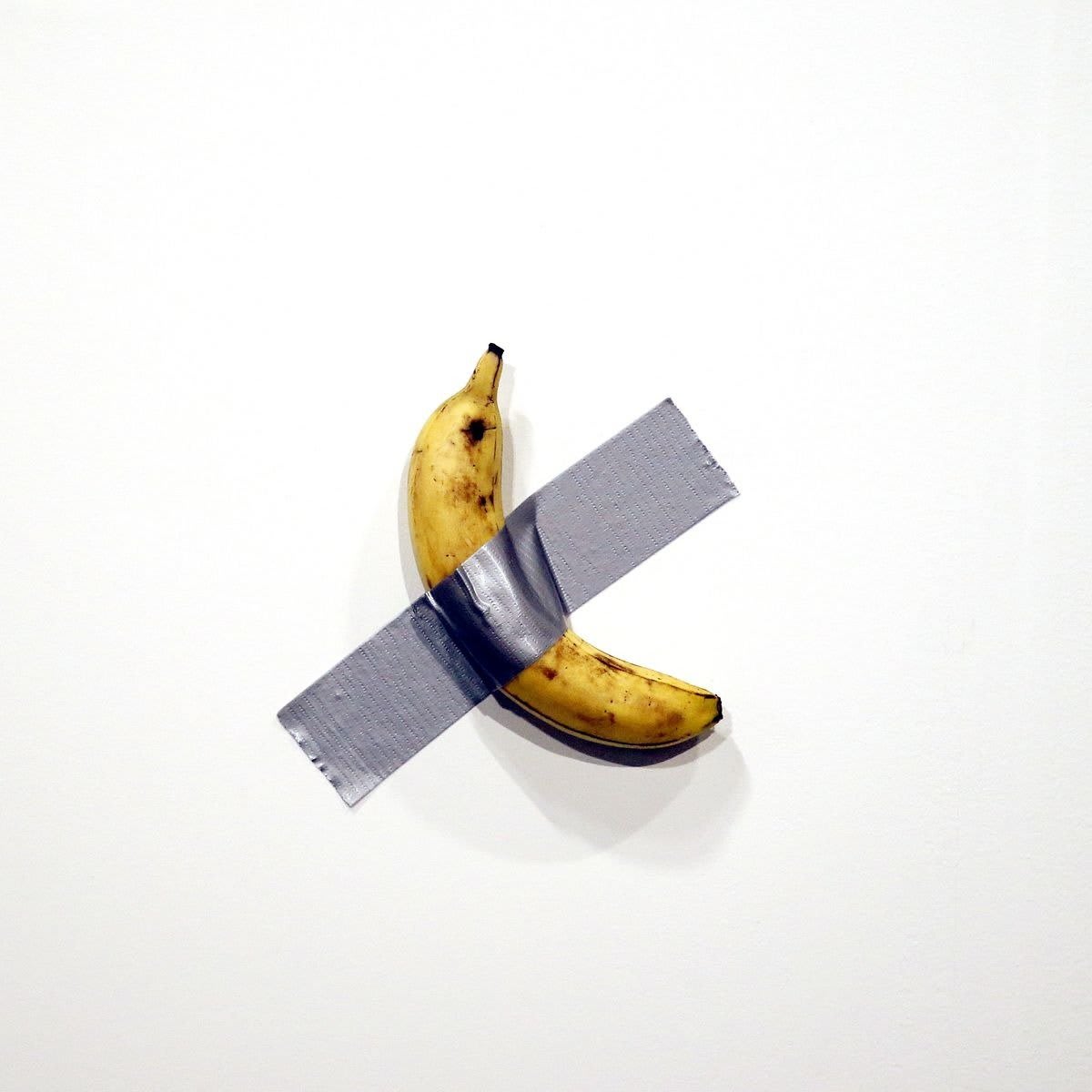
Provoking extensive dialogues regarding the value of contemporary art, Cattelan's Comedian—a banana affixed to a wall with gray duct tape—sparked widespread confusion. While not formally banned, it exemplifies an artwork whose appreciation hinges more on public perception than on the object itself. This piece interrogates the very definitions of art, the significance of concept, and the dynamics of the art market.
Through these illustrative examples, one truth remains evident: the most controversial artworks are often those that challenge the dominant moral, religious, and cultural values of society. Censorship may emerge as a reflexive response to disturbance. However, these scandals also remind us of art's fundamental purpose: to question the world, ignite debate, and occasionally confront an era with its inherent limitations.
Thank you for being part of the LLB Auction community.
The LLB Auction Team