Takeru Amano
LLB Auction has offered 3 lots by Takeru Amano since March 2026 and sold 2 of them for hammer prices from €600 to €1,000.
The house emails you when a lot by Takeru Amano enters a catalogue.
- Lifespan
- Born 1977
- Lots sold
- 2/3
- Share sold
- 67%
- Record hammer
- €1,000
- Median hammer
- €600
Lots at LLB Auction (3)

Own a work by Takeru Amano?
Send a photo. Lyna Brahami replies within 48 working hours, free and without commitment.
Drop your photos here
or
Prefer WhatsApp?
Send the photos on WhatsAppWrite to +352 661 225 970. The reply comes in the conversation.
What is a work by Takeru Amano worth?
At LLB Auction, works by Takeru Amano have reached hammer prices from €600 to €1,000. The median of the 2 lots sold is €600.
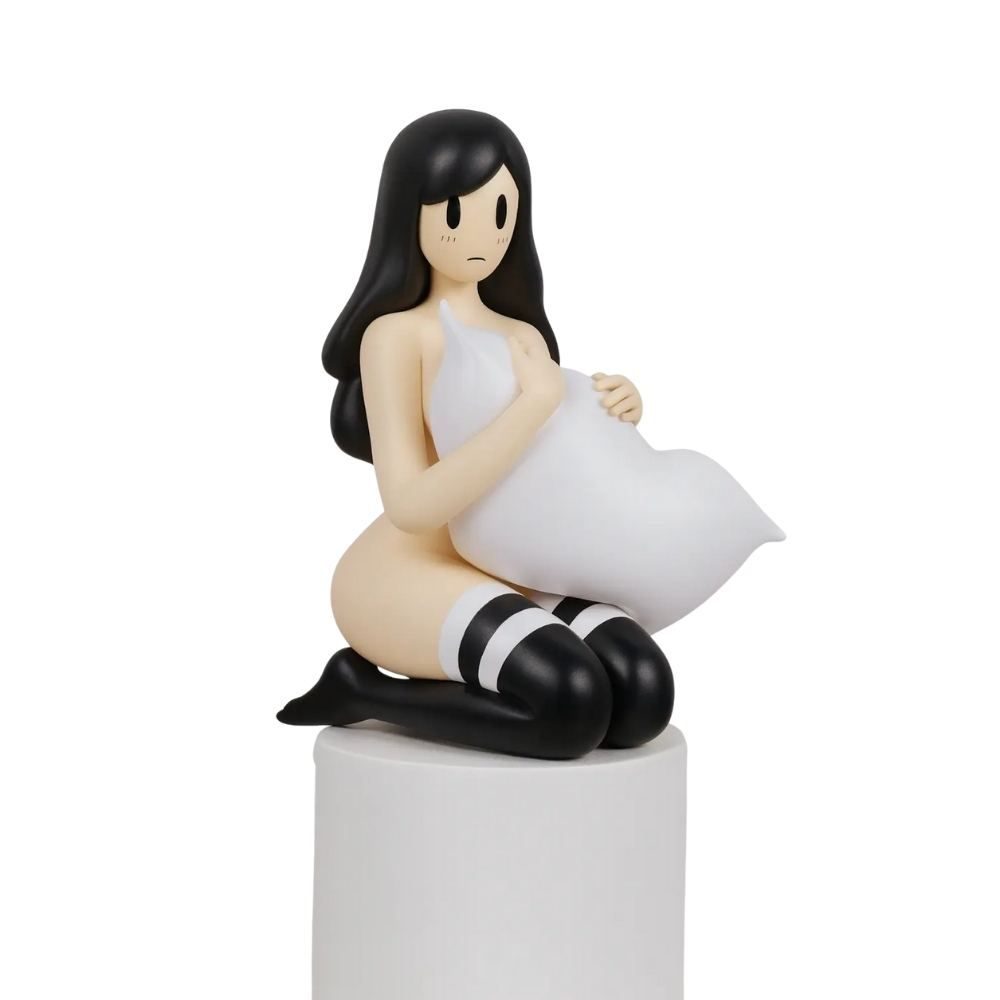
The record is €1,000 for Venus and Cat Vase, in the sale Tribute to Yayoi Kusama & others of 1 October 2026.
Hammer prices by medium
| Medium | Offered | Sold | Lowest hammer | Median hammer | Highest hammer |
|---|---|---|---|---|---|
| Canvas | 1 | 1 | €600 | €600 | €600 |
| Epoxy | 1 | 1 | €1,000 | €1,000 | €1,000 |
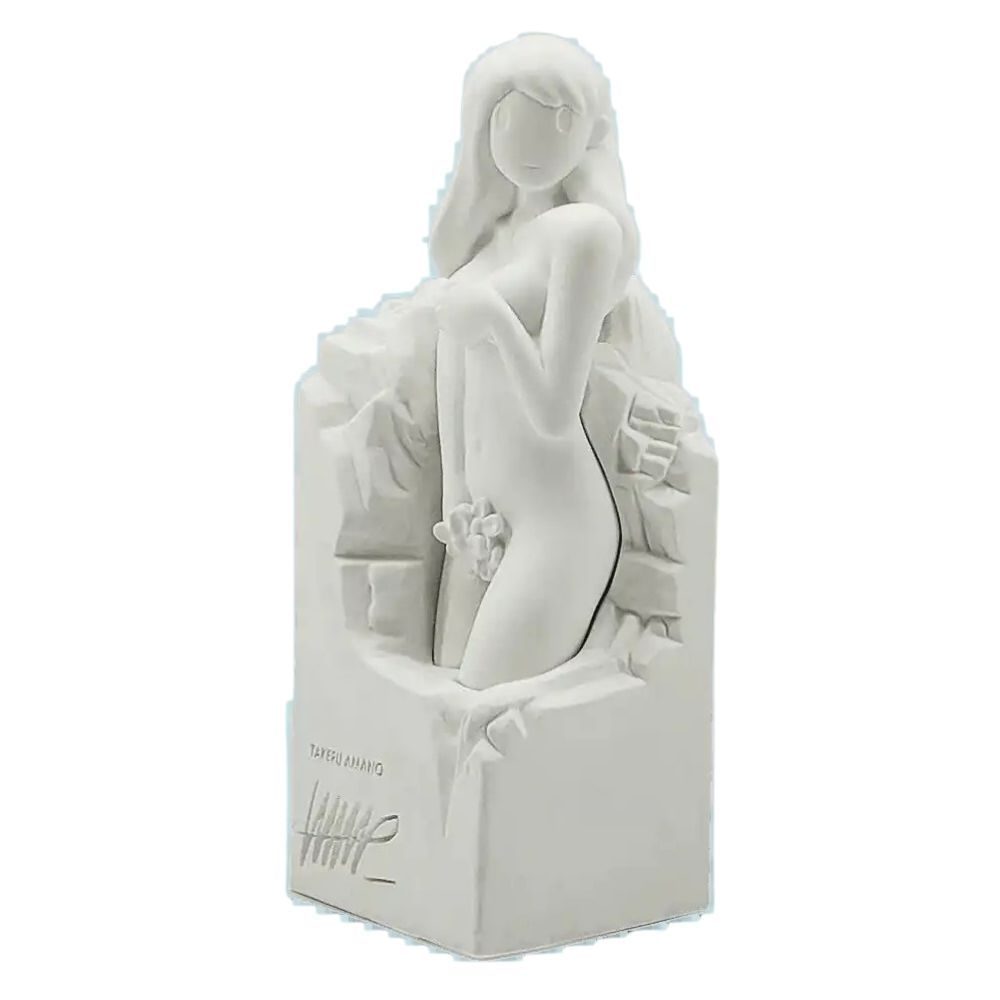
| Plaster | 1 | 0 | No sale | No sale | No sale |
What sets the price of a work by Takeru Amano?
Hammer prices reached on average 1.1 times the low estimate, and 0 of the 2 lots sold went above their high estimate.
How is a work by Takeru Amano authenticated?
LLB Auction examines every work in person before it is offered. Send the certificate, the invoice and any document of provenance with your photos. Lyna Brahami reviews them with the work.
How do I sell a work by Takeru Amano?
LLB Auction handles the sale from the first photo to the payment:
- Free valuation from your photos by Lyna Brahami, within 48 working hours.
- Consignment: the contract, the agreed reserve and the commission.
- Photography, research and cataloguing by the house.
- The online sale on llb-auction.com and on Interenchères.
- The buyer pays the house.
- The house settles you with a statement.
- The result is published in the house’s results.
Questions about Takeru Amano at LLB Auction
How many works by Takeru Amano has LLB Auction sold?
Between March 2026 and November 2026, LLB Auction sold 2 of the 3 lots by Takeru Amano it offered (67%).
What is the record price for Takeru Amano at LLB Auction?
The record is €1,000 for Venus and Cat Vase, in the sale Tribute to Yayoi Kusama & others of 1 October 2026, against an estimate of €1,000 to €1,500.
What does a work by Takeru Amano usually sell for at LLB Auction?
The median hammer price is €600 across 2 lots sold.
Do works by Takeru Amano sell above their estimate at LLB Auction?
0 of the 2 lots sold went above their high estimate. On average the hammer reached 1.1 times the low estimate.
Do these prices include the buyer’s premium?
The prices on this page are hammer prices, before the buyer’s premium and VAT. The results page of each sale gives the price with premium of every lot sold.
How do I get a valuation of a work by Takeru Amano?
Send photos of the work, of its signature and of any certificate through the valuation form. Lyna Brahami compares it with the results of Takeru Amano at the house and replies free of charge within 48 working hours.
About Takeru Amano
Read the full biography
Life and work in Japan
Takeru Amano is a Japanese painter born in 1977. His practice is rooted in Japan, where he developed a body of work that engages with both traditional and contemporary approaches to image making. As a painter working from the late twentieth century into the present day, Amano operates within a period when Japanese artists have continued to negotiate the relationship between inherited techniques and global contemporary art discourse. His nationality places him within a lineage of Japanese visual artists who have maintained distinctive approaches to composition, color, and surface while participating in international exhibition contexts. The roles documented for Amano center on painting, indicating that his primary output consists of works on canvas or other supports that employ paint as the fundamental medium. This focus distinguishes his practice from artists who work across multiple disciplines or who emphasize installation, sculpture, or time based media. Amano's work as a painter suggests a sustained investigation of pictorial space and the possibilities of applied pigment, whether through gestural mark making, carefully constructed compositions, or explorations of material texture and layering.
Painting as a discipline in the saleroom
Painting encompasses a wide range of formats and techniques, and these variations significantly affect how works are valued and positioned in the auction market. Unique paintings on canvas or panel represent singular objects that cannot be replicated, and they typically command higher attention and prices than editioned works. Scale plays a major role in valuation, as larger canvases require more labor, materials, and wall space, and they often carry greater visual impact. The support itself matters: works on canvas, wood panel, paper, or board each have different conservation needs and historical associations. Oil paint, acrylic, watercolor, gouache, and mixed media each bring distinct handling properties and aging characteristics. When a painter also produces prints or multiples, those editioned works occupy a separate market tier. A woodblock print or lithograph, even when numbered and signed, exists in multiple examples, and its value reflects that reproducibility. The edition size, the number within that edition, and the presence of artist proofs or hors commerce impressions all influence individual sheet pricing. Collectors and institutions often acquire prints to represent an artist's imagery at accessible price points, while unique paintings remain the primary focus for those seeking singular objects.
What a specialist examines when valuing a painting
A specialist assessing a painting by Takeru Amano begins with the medium and support. Oil on canvas, acrylic on panel, and mixed media on paper each require different evaluation criteria. The period of creation matters, as an artist's work evolves over decades, and certain phases may be more sought after or more fully resolved. Signature and date, if present, confirm authorship and situate the work chronologically. The location of the signature, whether front or back, and its consistency with known examples, provide authentication cues. Condition is critical: any tears, losses, craquelure, discoloration, or previous restoration affects both visual integrity and market value. Surface examination under various lighting reveals overpaint, retouching, or structural issues. Provenance, meaning the documented history of ownership, strengthens confidence in authenticity and can add historical interest. Exhibition history and inclusion in publications further establish a work's importance. For prints or editioned works, the edition size and the specific number within that edition are essential. A print numbered three of fifty has the same intrinsic value as number forty of fifty, but lower numbers and artist proofs sometimes carry slight premiums. The presence of original documentation, such as gallery invoices or certificates, supports the valuation process.
Sales at this auction house
This auction house has offered one work by Takeru Amano, and that work sold. The realized price was six hundred euros. This single result provides a limited data point for understanding the artist's market at this venue. With only one lot recorded, it is not possible to identify trends across different periods, media, or scales of work. The price achieved reflects the specific characteristics of that individual piece, including its medium, size, condition, and the competitive interest it generated on the day of sale. A larger sample of results would be necessary to establish patterns in buyer preference or to compare performance across different formats. Sellers considering consignment should understand that this house's experience with Amano's work is narrow, and that the six hundred euro result represents the entirety of the documented sales history here. Additional context about the artist's market would require looking at the specific details of the work that sold, but those details are not provided in the available data. The fact that the work sold rather than passing indicates that there was at least one bidder willing to meet or exceed the reserve price.
Preparing a valuation request for a painting
A seller preparing to request a valuation should gather comprehensive documentation before contacting a specialist. Photographs are essential: a straight on image of the front in even lighting, a photograph of the back showing the stretcher or support, a close up of the signature, and images of any labels, stamps, or inscriptions on the reverse. These images allow a specialist to assess condition, confirm signature style, and identify any previous exhibition or gallery history. Dimensions must be provided in both centimeters and inches, with height preceding width, and depth if the work is a three dimensional object. The medium should be described as precisely as possible, noting whether the work is oil, acrylic, watercolor, or mixed media, and identifying the support as canvas, panel, paper, or another material. Any available provenance information is valuable: previous owners, gallery purchases, exhibition history, or inclusion in publications. Original purchase receipts, certificates of authenticity, or correspondence with galleries add weight to the submission. If the work has been restored or conserved, documentation of that work should be included. For prints or editioned works, the edition size and number are mandatory, along with any indication of whether the impression is an artist proof or hors commerce example. The more complete the information provided, the more accurate and confident the initial valuation can be.
In museum collections
- Blue Moon (A) [Aoi tsuki (A)], 1962Art Institute of Chicago
- Fossil "A Flower and the Birds" (8), 1968Art Institute of Chicago
- Winter (Fuyu), 1957Art Institute of Chicago
- Dusk (Yugure), 1957Art Institute of Chicago
Related artists and open lots
Comparable price band
€600 to €1,000
This band holds the middle half of the hammer prices this artist has realised at the house. A work of comparable quality has most often sold within it.
Selling a work by Takeru Amano?
Lyna Brahami values your work free of charge from your photos and replies within 48 working hours.
Sources of the biographical facts
- Wikidata (Q11443617) (CC0), retrieved 30 August 2026
- aic (CC0), retrieved 30 August 2026
LLB Auction hammer prices exclude the buyer’s premium and VAT. They cover only the lots this house has offered.